ROles & Goals
Managing Organized Chaos
At Meta, as a product designer on the Feed team, I tackled this challenge by turning tribal knowledge into scalable product foundations. My goals:
- Make design critiques more inclusive
- Help teams onboard faster
- Reduce bottlenecks in Feed review cycles
Deliverables:
- 14 pages of documentation
- Reusable Figma templates and sticker sheets
- Guidelines for components and design compliance
The Challenge: Design Roadblocks
Meet James
He's a partner-team designer whose feature is headed for Feed. During office hours, he discovered his designs weren’t Feed compliant, requiring more design cycles, delaying his launch.
This was a common problem, designers spending multiple cycles iterating to meet design compliance, pushing back launch timelines.






🧭 Building frameworks
Building Foundation
Had James had proper product foundations in place, he could have saved time and designed with higher confidence.
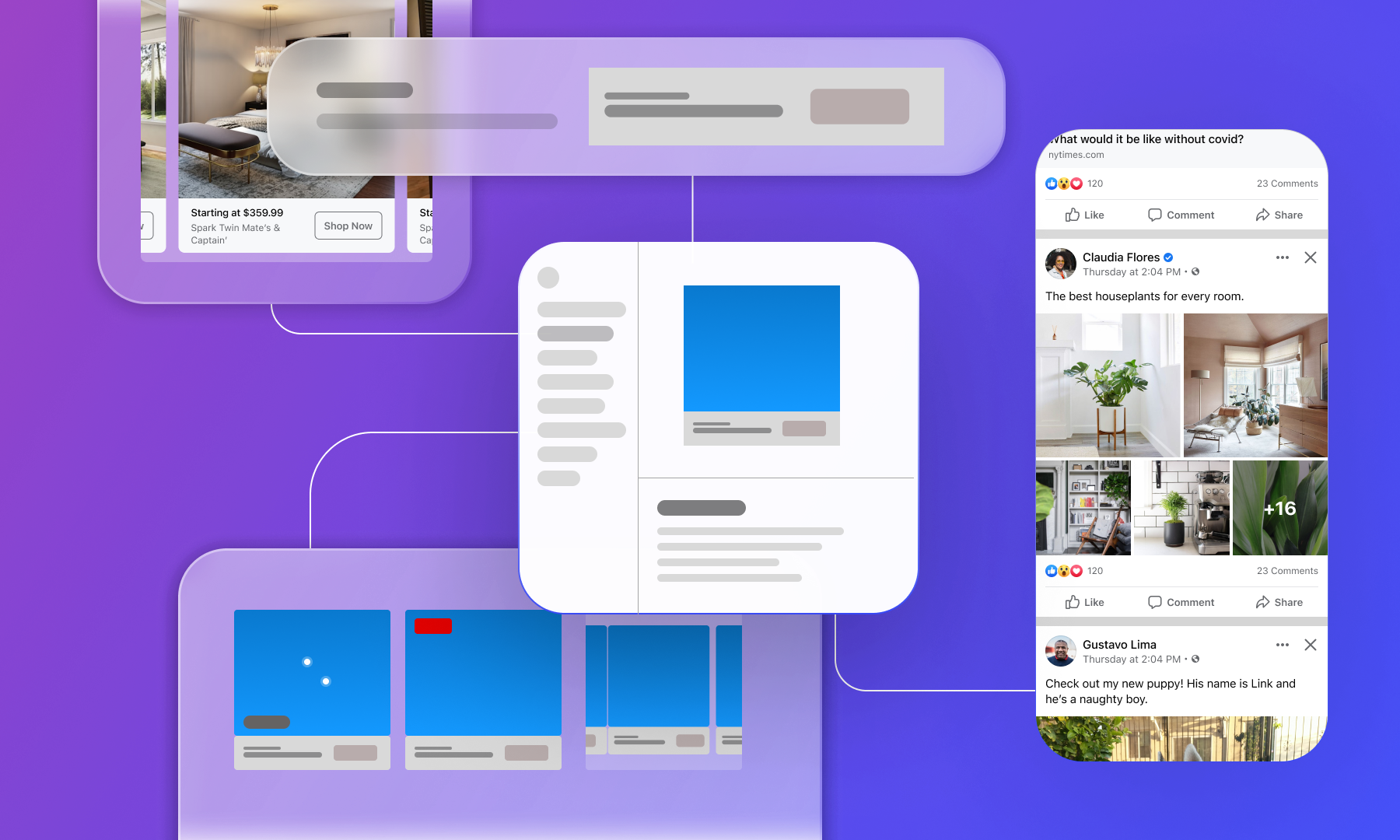
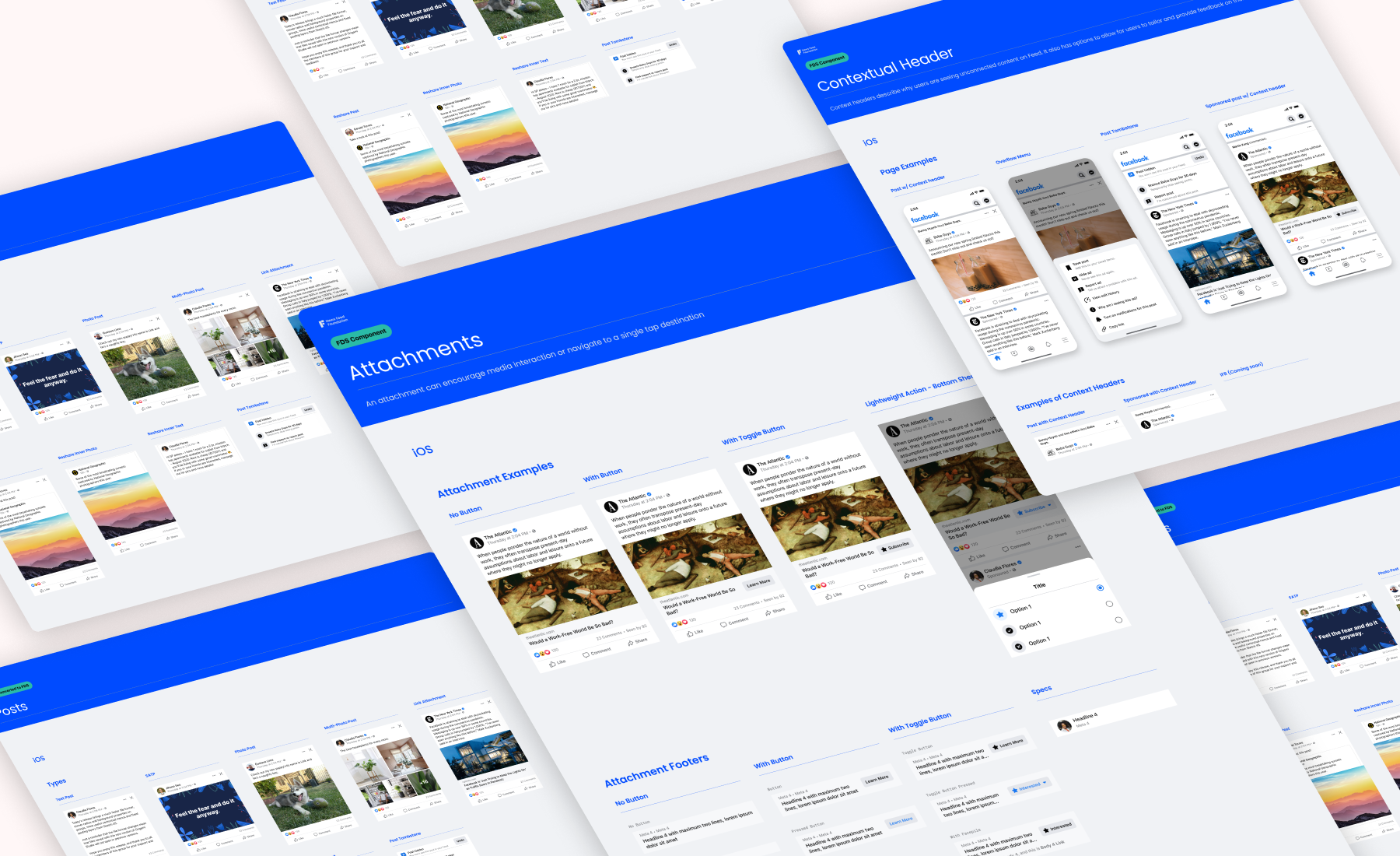
When building foundations, I created a framework to define Feed components specs and usage, we can go through this example with attachments.
.png)
.png)
.png)
🔬 The Result
Design Wins & Happy Engineers
Once documentation was fully released, the team was able to handle bigger fish, building strategy and removing a mountain of tech debt. The results were quite surprising, we:
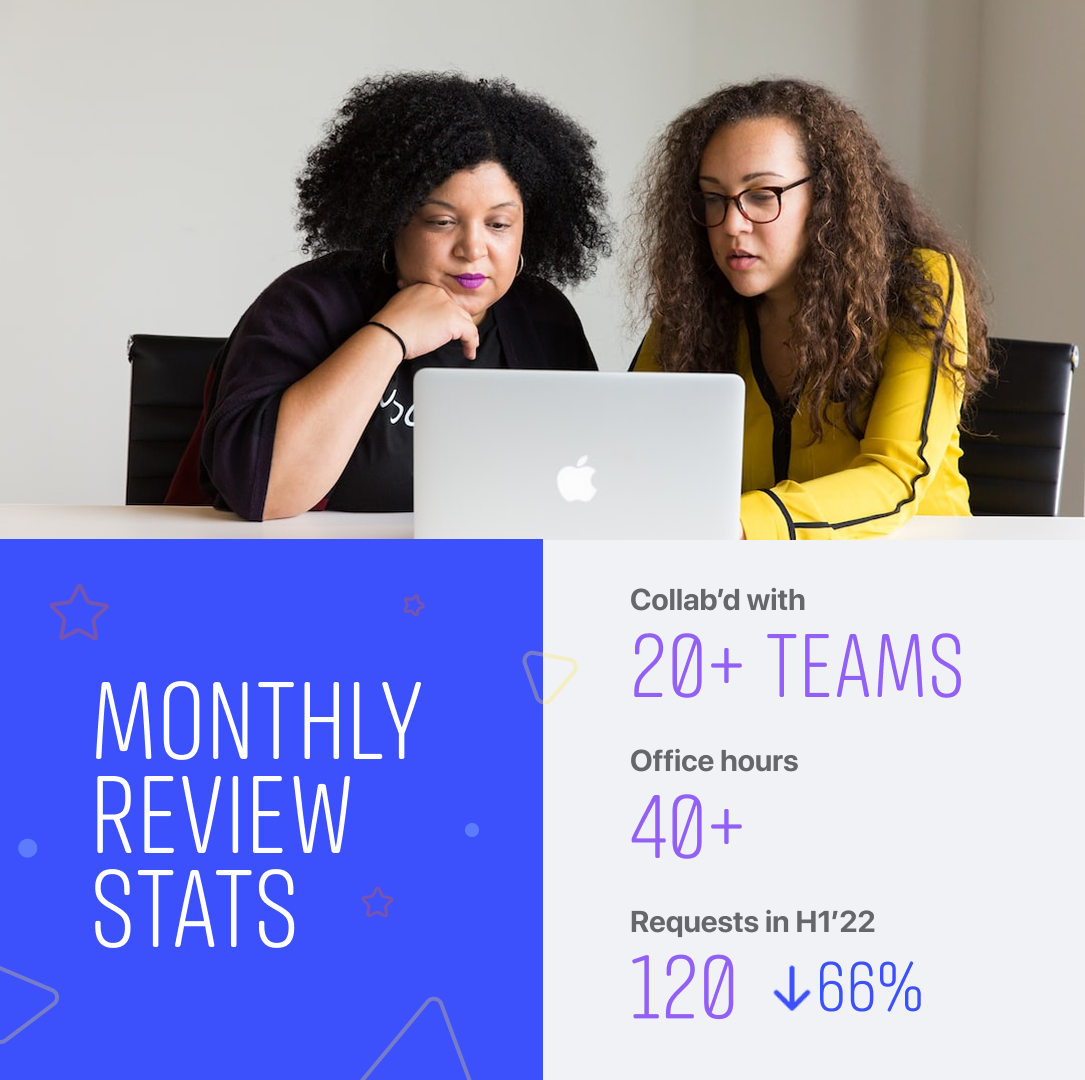
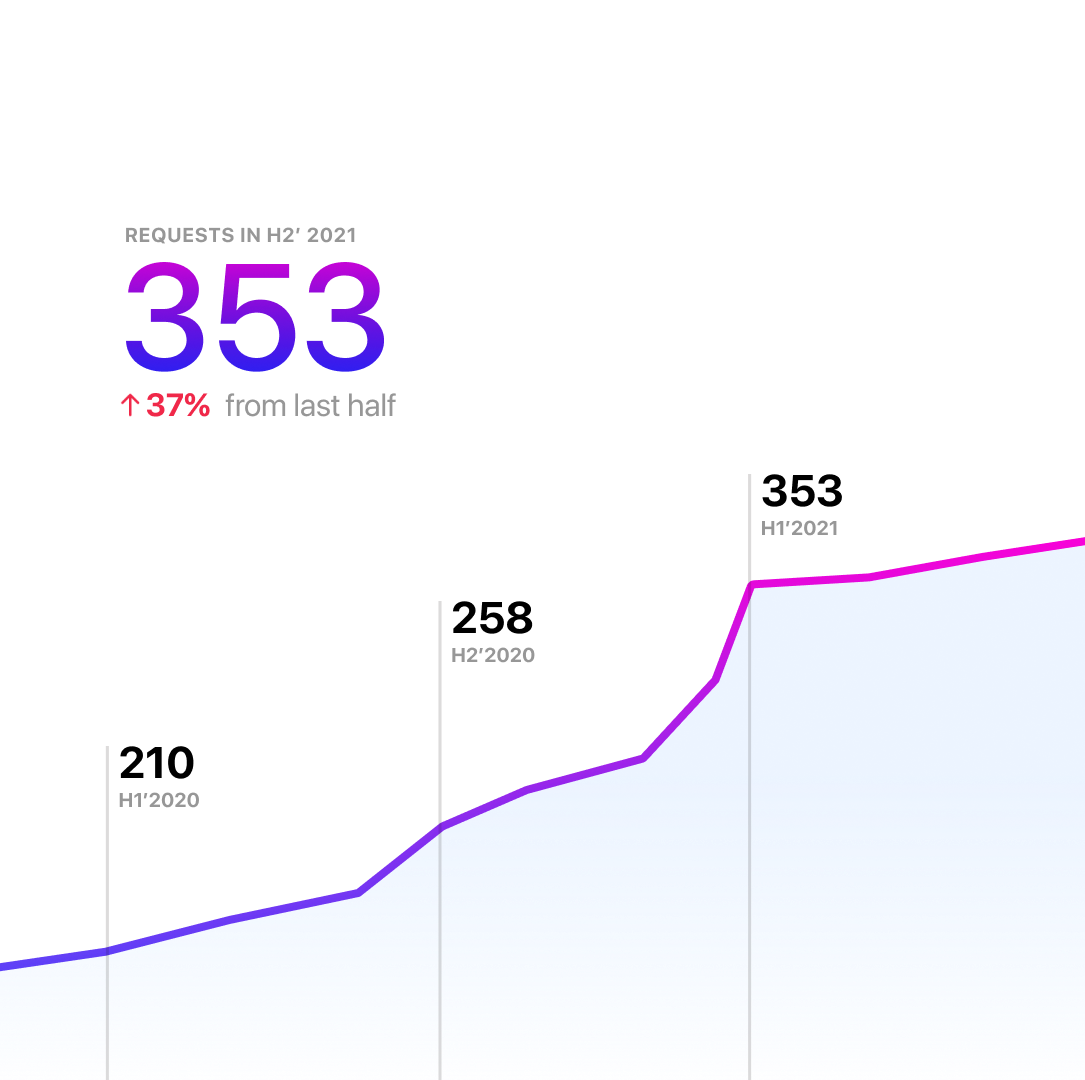
- Reduced design review requests from 353 to 120 in H1'22 (66% less requests)
- Worked with engineering to unship 200+ variants, cutting tech debt
- Partnered with 20+ teams who adopted documentation and templates
- Enabled engineers to manage future components using the framework
🔬 Surprises
Handling Edge Cases & Innovation
Once the system was in place, I focused on balancing compliance with innovation:
- Many edge cases were actually driving team success, but not Feed
- Connect experimental projects back to Feed product goals
- Prep teams with high-impact one-off projects for leadership reviews
- Highlighted innovative work in office hours to encourage cross-team learning
This allowed the system to became a community-driven foundation rather than a rigid rulebook, enabling scalable innovation across design and engineering.
conclusion
🔁 Reflection
- 2% increase in meaningful engagement in targeted test cohort
- Increased content discovery through improved previews
- Early opt-in success for swipe-to-dismiss and filtering features
- Platform-level documentation and design standards adopted by sister app teams
By building strong product foundations, I turned Feed compliance from a bottleneck into an inclusive community. While documentation and templates accelerated design reviews, reduced tech debt, teams began to appreciate and see cross-functional work. This not only freed the Feed team to focus on higher impact initiatives, it also scaled innovation across the product and created a stronger design community for designers like James and myself ❤️.